 Sold out
Húsvéti Sonka - Easter Ham 1.1kg
£22.50Unit price /Unavailable
Mákos Bejgli 500g - Hungarian Poppy Seed Roll
£13.90Unit price /Unavailable-
Diós Beigli 500g - Hungarian Walnut Roll
£13.90Unit price /Unavailable -
£3.90Unit price /Unavailable
-
£7.50Unit price /Unavailable
-
Beigli Cake 350g - Poppy Seed Cake
£11.90Unit price /Unavailable -
£25.90Unit price /Unavailable
-
Plum Bejgli 500g - Plum Jam Roll
£13.90Unit price /Unavailable -
£9.50Unit price /Unavailable
-
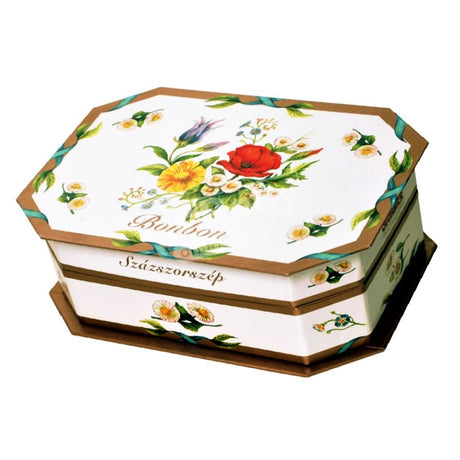
Százszorszép Chocolate Bonbon Selection 250g
£28.00Unit price /Unavailable -
£1.90Unit price /Unavailable



What is traditional Hungarian Easter food?
Hungarian Easter tables are filled with a generous spread to celebrate the end of Lent and the arrival of spring. This festive feast combines centuries-old traditions for a memorable meal.
Hungarian deviled eggs, also known as stuffed casino eggs or kaszinótojás, are typically served as an appetiser. Cooked ham usually takes central stage on the table, symbolising health and prosperity. It is accompanied by hard-boiled eggs, fresh vegetables such as tomatoes and spring onions, and grated horseradish or a creamy horseradish sauce to balance the rich flavour of the smoked meat.
Kalács, a sweet braided bread similar to challah, is another essential item, often blessed at church before the meal. The bread's golden crust and soft interior make it perfect for pairing with both savoury and sweet dishes throughout the holiday.
Popular Hungarian Easter desserts include mákos and diós beigli, delicious rolled pastries filled with ground poppy seeds or walnuts, as well as the classic Gerbeaud cake.
What are Hungarian Easter traditions?
In the week leading up to Easter, various preparations and customs take place. Many households undertake thorough spring cleaning, while Good Friday is observed with fasting and solemnity. In rural areas, some communities still practice traditional egg painting sessions, where multiple generations gather.
Church bells remain silent from Thursday until Sunday morning, and in some villages, children walk through the streets with wooden rattles to call people to services. On Holy Saturday, many families attend church services where Easter baskets filled with food are blessed before the holiday meal.
Easter Monday features a unique tradition called locsolás, or sprinkling, where boys and men playfully sprinkle water or perfume on girls and women, often reciting traditional poems in exchange for painted eggs, mézeskalács, or a shot of pálinka. This custom has ancient roots in fertility rites, but has evolved into a more lighthearted social ritual.
Hungarian Easter Eggs
Painted eggs, or hímes tojás, hold deep cultural and symbolic significance in Hungarian Easter celebrations. These intricately decorated eggs represent rebirth and renewal, with patterns and colours often carrying specific meanings. The painted eggs are also exchanged as gifts during locsolás and are prominently displayed in homes as decorations, often hung from freshly cut branches to create a tojásfa, or Easter egg tree.