
 £22.50Unit price /Unavailable
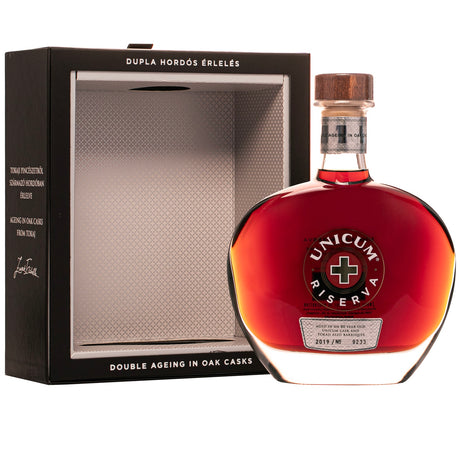
Zwack Unicum Orange Bitter 0.5l
£22.50Unit price /Unavailable-
£22.50Unit price /Unavailable

Zwack Unicum Szilva Plum Liqueur 0.5l
£22.50Unit price /Unavailable-
Sold out
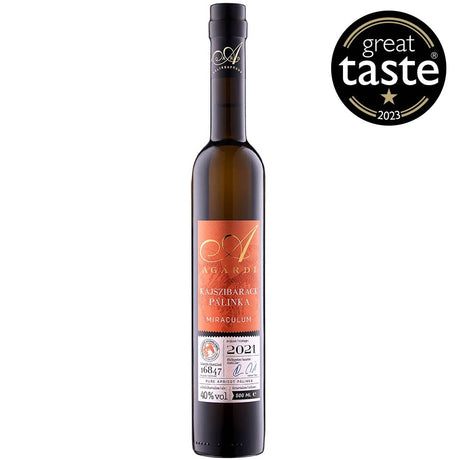
Barack Pálinka 0.5l - Apricot Brandy
£39.50Unit price /Unavailable -
Sold out
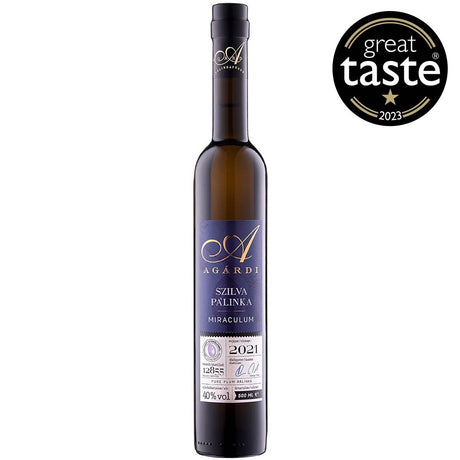
Szilva Pálinka 0.5l - Plum Brandy
£35.90Unit price /Unavailable -
Sold out
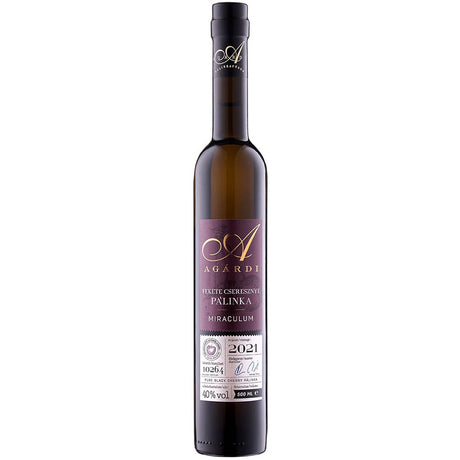
Cseresznye Pálinka 0.5l - Cherry Brandy
£35.90Unit price /Unavailable 
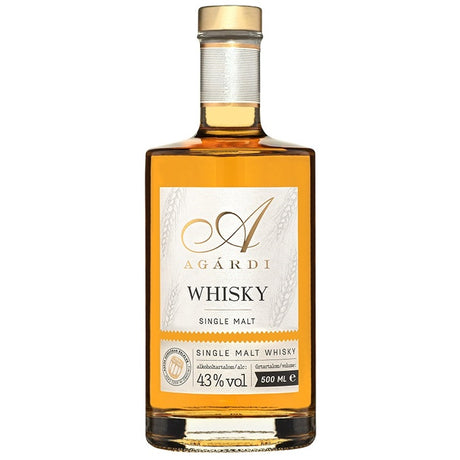
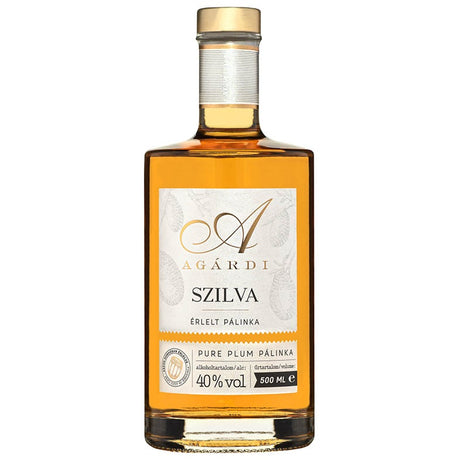
Agárdi Single Malt Whiskey 0.5l
£47.00Unit price /Unavailable-
TOKAJICUM Tokaji Sárgamuskotály Late Harvest 2024
£11.70Unit price /Unavailable -
Sold out
Premium Aged Szilva Pálinka 0.5l
£45.00Unit price /Unavailable -
TOKAJICUM Tokaji Szamorodni 2022
£11.70Unit price /Unavailable 
TOKAJICUM Tokaji Aszú 5 Puttonyos 2022
£19.50Unit price /Unavailable-
BEST OF HUNGARY Tokaji Aszú 6 Puttonyos 2020
£34.00Unit price /Unavailable -
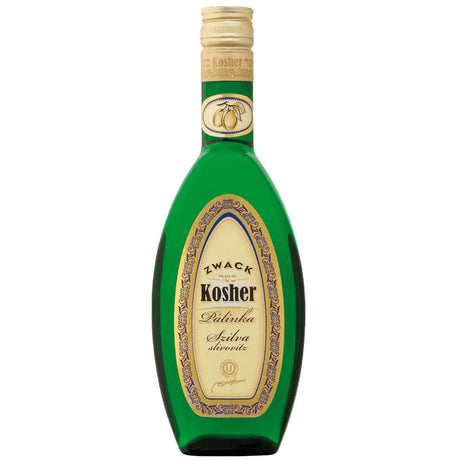
Zwack Kosher Szilva Pálinka 0.5l - Slivovitz Plum Brandy
£32.90Unit price /Unavailable -
£59.00Unit price /Unavailable
-
£4.50Unit price /Unavailable
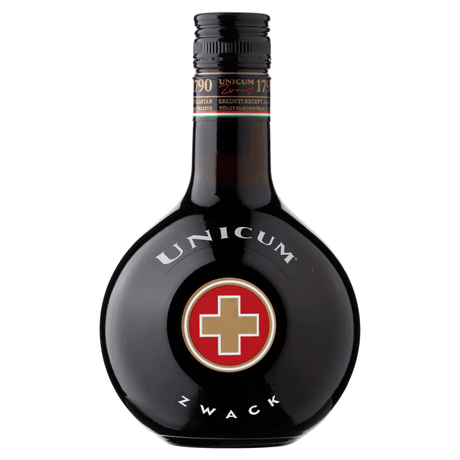
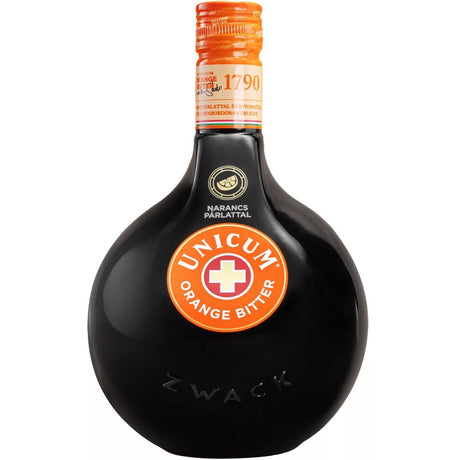
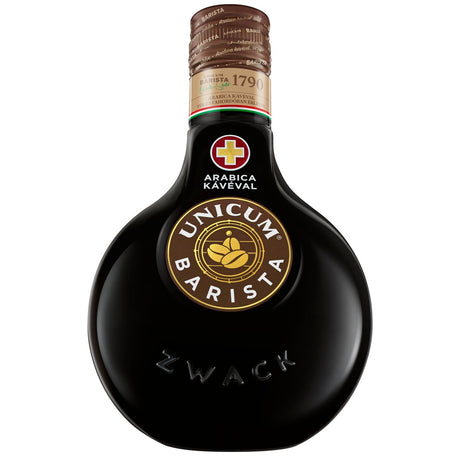
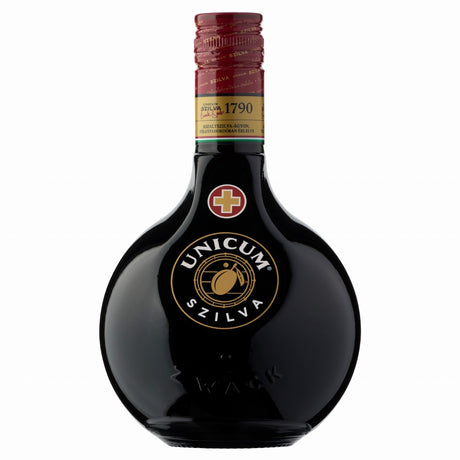



What is an Aperitif and a Digestif?
An aperitif is a drink served before a meal to stimulate the appetite and prepare the palate for the food to come. It is designed to enhance the dining experience, typically featuring bitter, herbal, or citrus notes that activate digestive enzymes and awaken taste buds.
A digestif, on the other hand, is consumed after a meal to aid digestion and provide an elegant conclusion to the dining experience. Digestifs often contain herbs, spices, or other botanicals believed to support digestion. Traditionally enjoyed after heavy meals, they can help reduce bloating and naturally enhance bile production, leading to a more comfortable experience.
They can also include spirits like whisky and fruit brandies such as pálinka. Late harvest wines, like the famous Tokaji, can serve a dual purpose as both a dessert accompaniment and a digestif.
How to serve them?
Serve aperitifs 30 to 60 minutes before the meal begins, creating a buffer between arrival and dining. This time allows the drink to stimulate the appetite without diminishing it.
Keep aperitives modest in size and moderate in alcohol; one serving should suffice. They pair well with tapas-style dishes, olives, nuts, cheese, charcuterie, or simple canapés.
Digestifs should be served after dessert and coffee, signalling the end of the meal and transitioning into relaxed conversation. Aim to match the style of digestive with the preceding dishes: fruit-based options work well after lighter courses, heavier herbal spirits pair nicely after hearty dishes, and a sweet wine is an excellent choice if there is no dessert.
You can also use digestifs as cocktail ingredients to add a unique twist to your favourite recipes.
Embrace these continental traditions to transform your meals into memorable gastronomic experiences.